
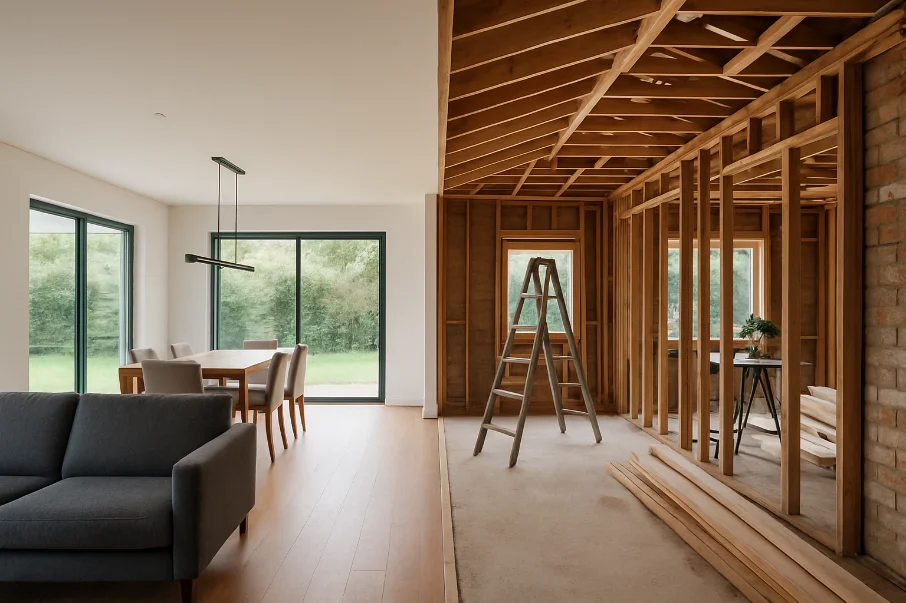
A full home remodel can dramatically improve how a house looks, functions, and feels. But for many Bay Area homeowners, the process itself can feel unclear or intimidating. Questions about timelines, costs, permits, and daily disruption often come up early, long before construction begins.
That uncertainty is why many homeowners seek out educational resources that explain how a full home remodel typically unfolds. Understanding the process ahead of time helps set realistic expectations, reduces surprises, and leads to better decisions throughout the project.
A full home remodel is not a single task. It is a sequence of interconnected steps that rely on planning, coordination, and communication. When homeowners understand these steps, they are better equipped to evaluate contractors, plan budgets, and stay engaged during construction.
In the Bay Area, this knowledge is especially valuable. Local permitting requirements and inspection timelines vary by city, and the scope of work can significantly affect how long a project takes. Articles like How to Choose the Right Contractor for Your New Build or Renovation provide useful context on why process clarity and communication are so important when planning larger residential projects.
Every successful remodel begins with a clear vision. This early phase focuses on identifying what the homeowner wants to change, improve, or add, while also recognizing constraints that may affect the project.
This phase often includes:
Early planning plays a major role in long-term success. Homeowners who take time to clarify goals early often experience fewer changes later. This concept is reinforced in educational pieces like Renovations That Bring the Most Value to Your Bay Area Home, which explains how early decisions can shape both cost and return on investment.
Once goals are established, the remodel moves into design and scope definition. This phase translates ideas into concrete plans and aligns expectations before construction begins.
Typical activities include:
A clearly defined scope helps reduce change orders and unexpected delays. Many homeowners find it helpful to explore real-world examples of how scope decisions affect outcomes, such as those shown in full home remodel projects like Full Design and Build Start to Finish in San Jose.
Permitting is one of the most misunderstood parts of a full home remodel. Depending on the city and project scope, this phase may involve planning department reviews, structural and energy compliance checks, revisions, and scheduled inspections.
While timelines are not always predictable, understanding that permitting is a normal and necessary part of the process helps homeowners plan more realistically. Several AGC educational resources explain how approvals and regulations fit into residential construction timelines, including How to Build an ADU in the Bay Area: A Complete Step-by-Step Guide and SB 1211: More ADUs for California With Less Red Tape. Although these articles focus on ADUs, the permitting principles apply broadly to larger residential remodels as well.
Construction is the most visible phase of the remodel, but it depends heavily on the work completed during planning, design, and permitting.
This phase typically includes:
During construction, consistent communication is essential. Regular updates and clear explanations help homeowners stay informed and reduce stress. Reviewing completed projects can help homeowners understand how construction phases progress in real-world scenarios.
As construction wraps up, the project enters its final phase. This stage ensures the work meets expectations and complies with local requirements.
Final steps often include:
A thorough walkthrough helps homeowners feel confident in their newly remodeled space and understand how to care for it long term.
Across many full home remodels, certain patterns tend to lead to better outcomes. Successful projects often involve:
A full home remodel is a significant investment, but it does not have to feel overwhelming. When homeowners understand the process from early planning through final walkthrough, they are better positioned to make informed decisions and stay confident throughout the project.
If you are considering a full home remodel and want to better understand what the process could look like for your home, reviewing real project examples or starting a conversation through Arch General Construction’s contact page can be a helpful first step.

We're here to help you build your future. Whether you're ready to start your project or just have a few questions, our team is ready to assist. Contact us today to schedule a consultation or request more information.
Book a Consultation